Select Page
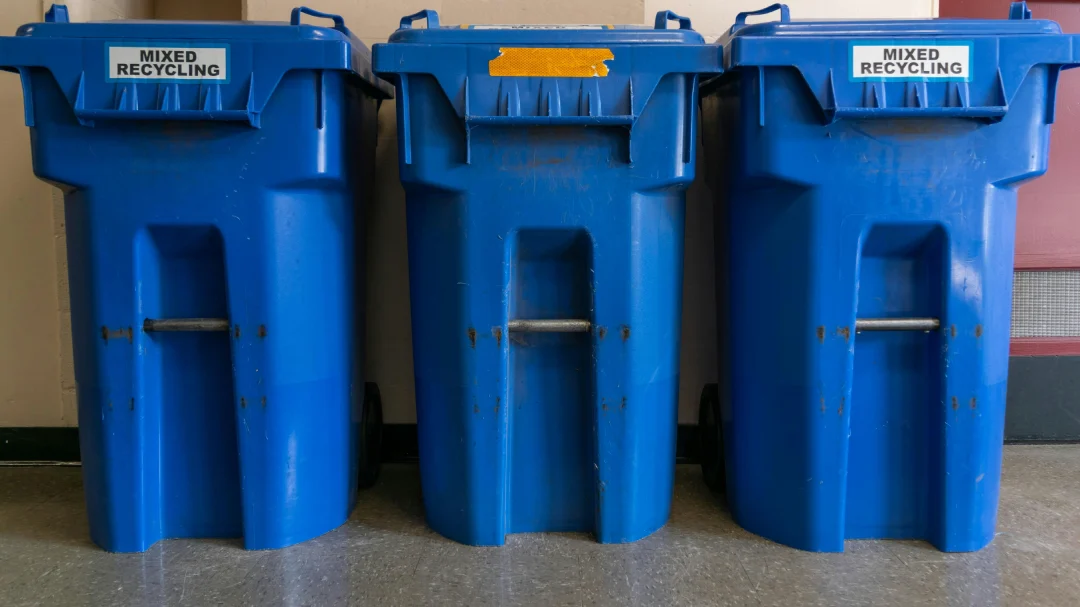
Recycle Bins: Three blue mixed recycling carts labeled MIXED RECYCLING standing side by side against a wall

Recycle Bins: Sizes, Colors, and How to Get One

Recycle bins are issued by your city, and the container it hands you determines much of what you can recycle at home. It sets how much fits, and the program behind it defines which materials belong inside. Three questions cover most household needs: how to get one, what sizes it comes in, and what goes in it.

read more...
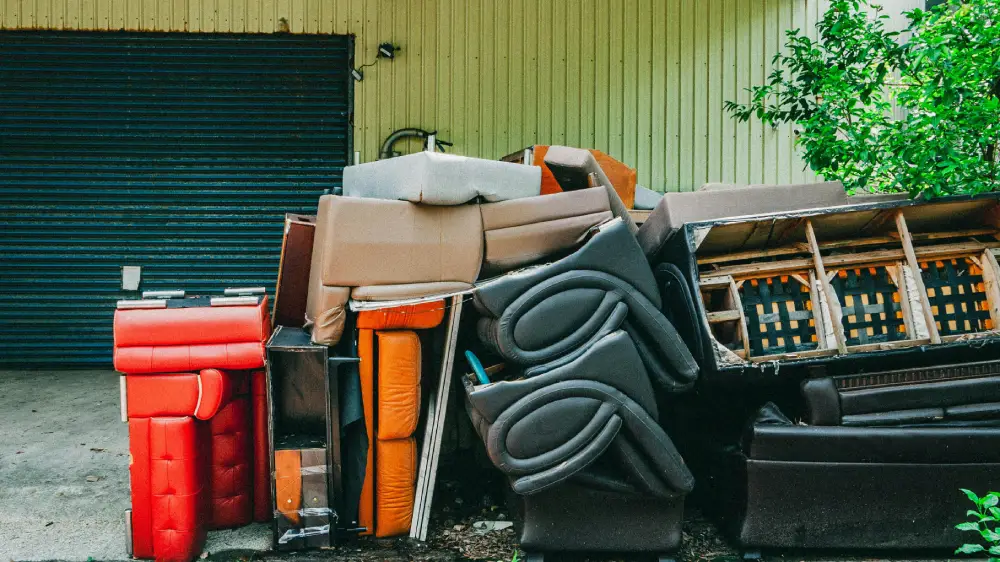
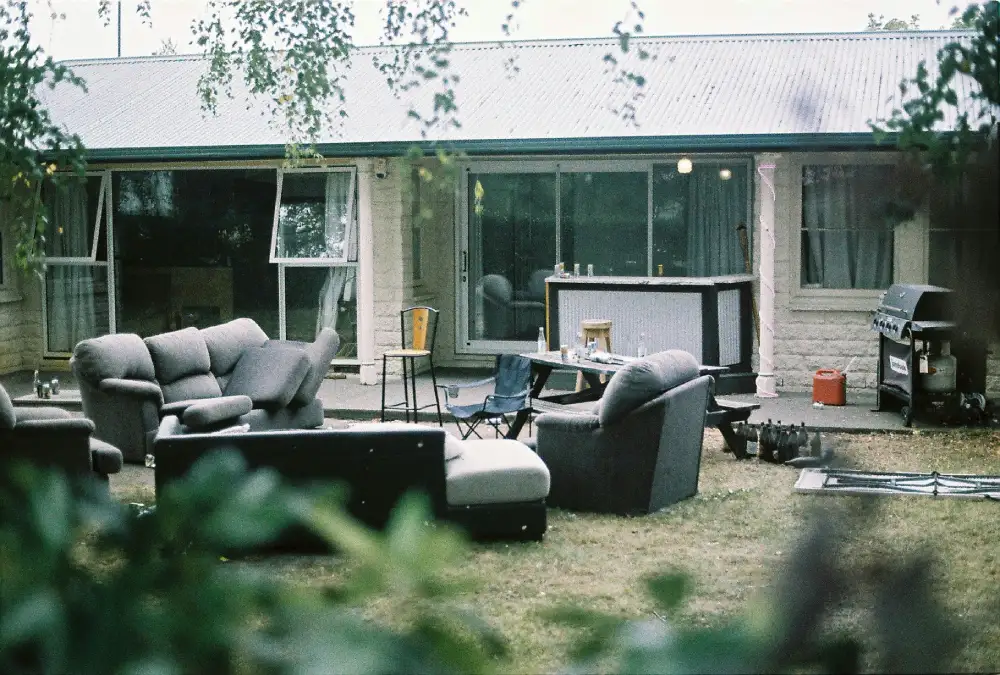
Pile of old sofas and armchairs showing how to get rid of junk furniture

How to Get Rid of Junk: Free Pickup, Donation, and Where It Goes

How to get rid of junk comes down to three routes that come up repeatedly before anyone pays a hauler: the collection a city already provides, a donation pickup, and a trip to a transfer station in your own vehicle. Each of the programs below publishes terms that decide which route is open to a given item — how many pickups an address gets in a year, whether a charity will take a sofa with a stain, and whether the facility is open on the day the truck is available.

read more...
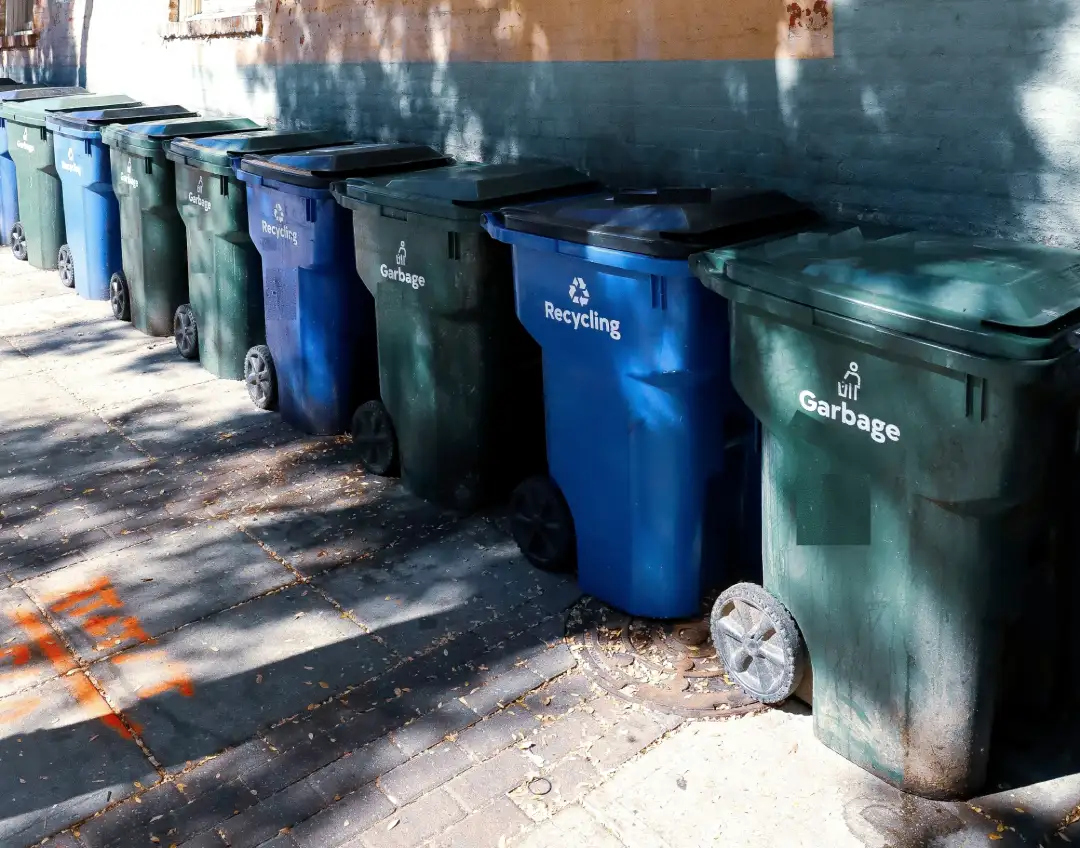
How to Schedule Waste Disposal:A row of green garbage carts and blue recycling carts lined up along a brick building wall

How to Schedule Waste Disposal: Pickup Days, Missed Collections, and Holidays

The programs reviewed publish their rules in different places: an address lookup in one city, a municipal code section in another, a holiday notice for one specific week in a third. This guide works through those documents one question at a time: when the truck comes, what happens when it does not, how a holiday shifts the week, and how a large item gets collected.

read more...
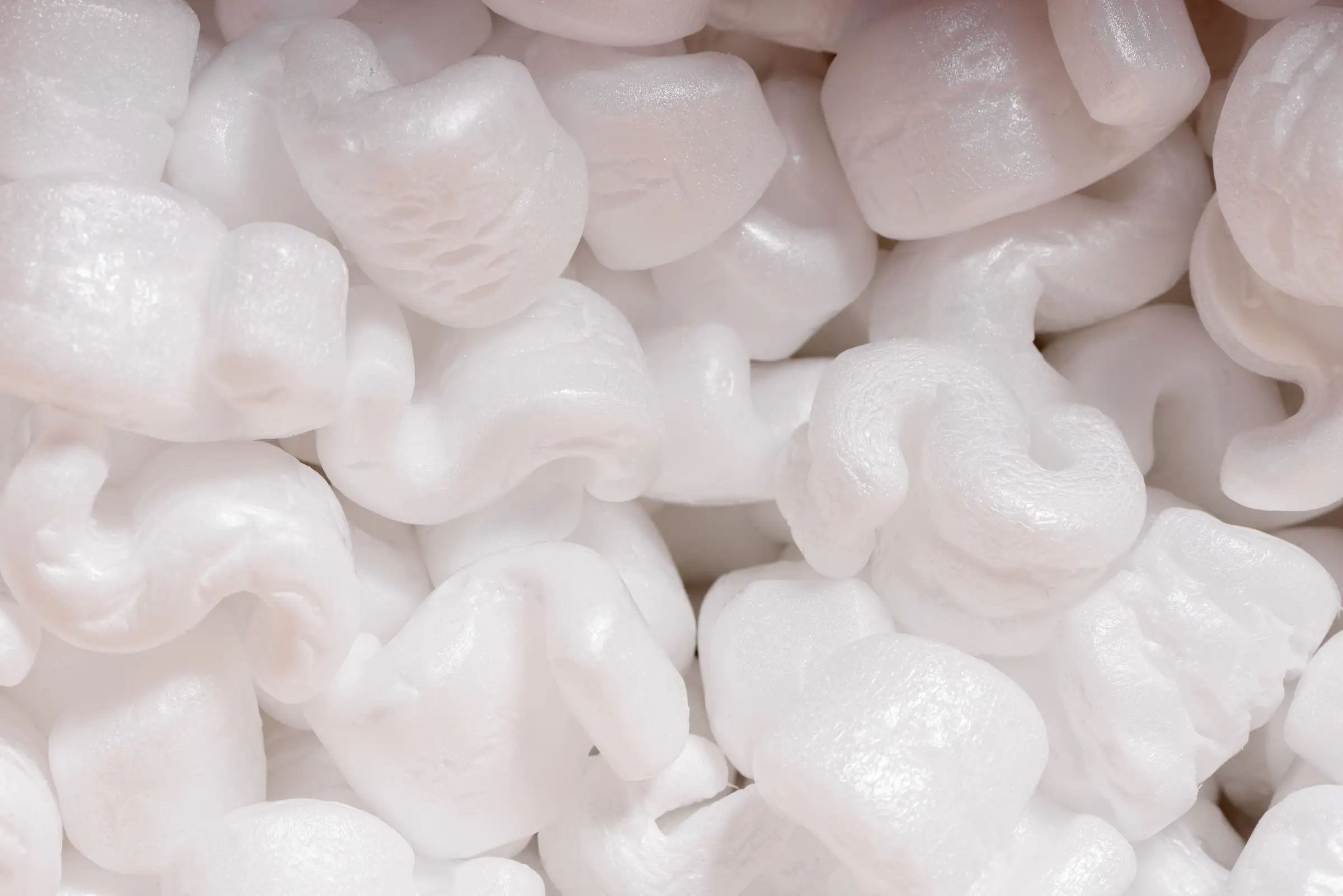
Can Styrofoam Be Recycled Close-up of white Styrofoam packing peanuts used as loose-fill packaging

Can Styrofoam Be Recycled?

It persists. Polystyrene foam does not biodegrade in any practical terms. Environment America states that it takes hundreds of years to decompose, if decomposition occurs at all. In the ocean, the effects of sunlight, wind, and wave action break it down into microplastics, which marine animals and seabirds then eat after mistaking the fragments for food.

read more...
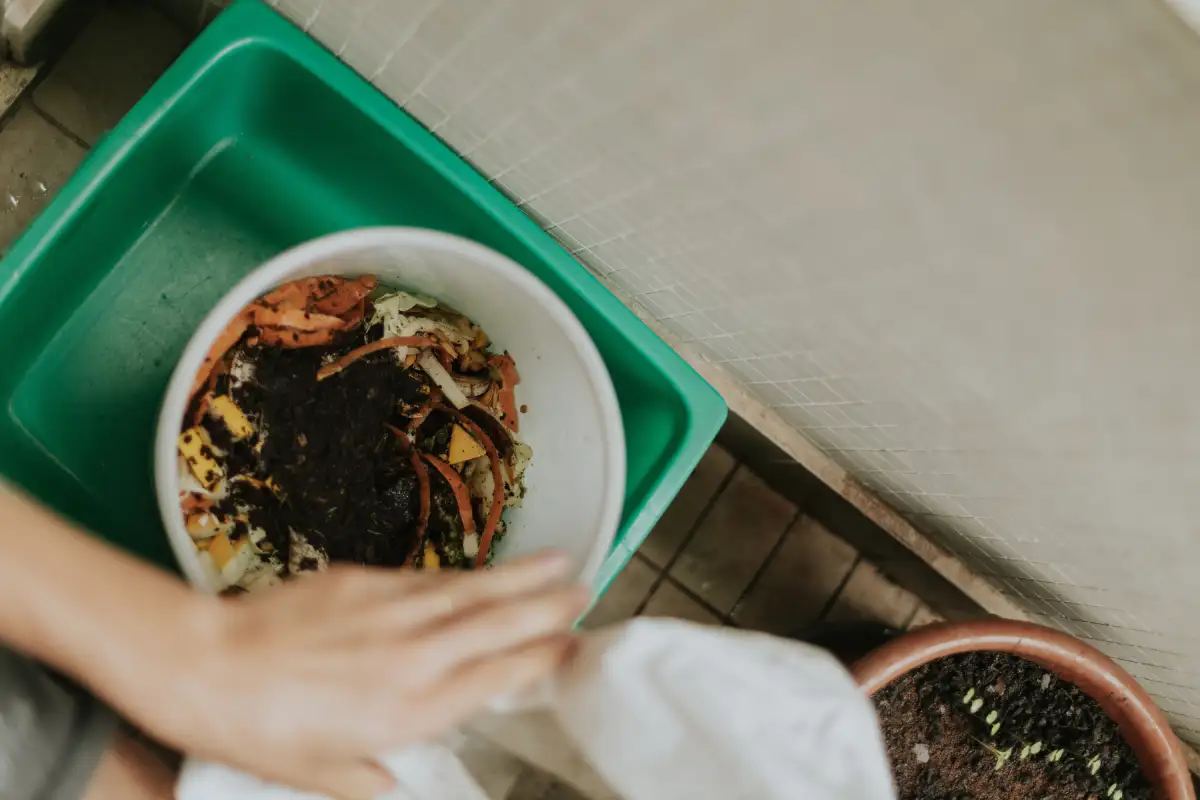
Compost Starter: Hand covering carrot peels and vegetable scraps with dark soil in a bucket

Compost Starter: What Goes In and How a Pile Gets Going

Search the phrase, and you will mostly find bagged powders sold as compost starter, promising to wake up a sluggish pile. University of Illinois Extension states commercial starters are available but should not be necessary for a pile with a proper carbon-to-nitrogen ratio. The bacteria already present in the organic materials will do the work when supplied with water and oxygen.

read more...